
Sub-Surface UV Laser Engraving
Men
Bringing 2D Images to 3D Life Inside Crystal
Have you ever wondered how those incredibly detailed 3D portraits appear magically suspended within a block of clear crystal? The answer lies in the creation of a sub-surface point cloud, a cornerstone of precise 3D UV laser engraving. This technique allows for stunning, complex internal sculptures derived from standard two-dimensional images.
From 2D Source to 3D Blueprint
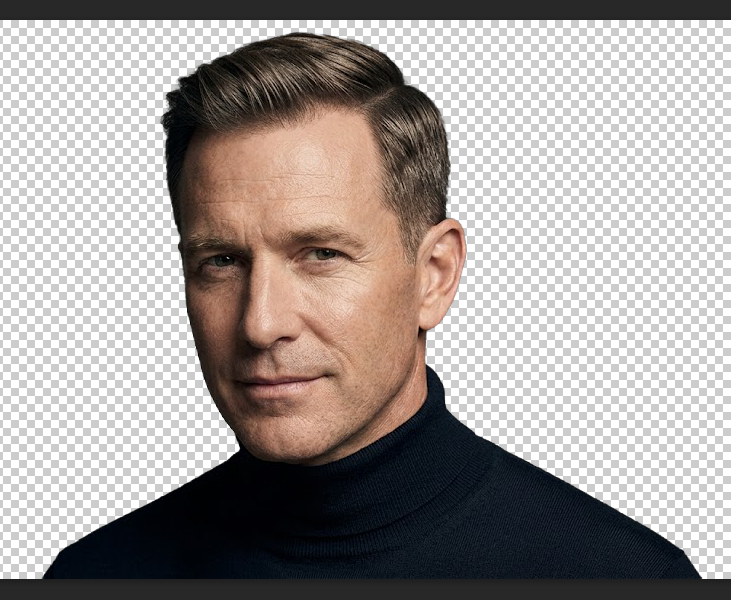
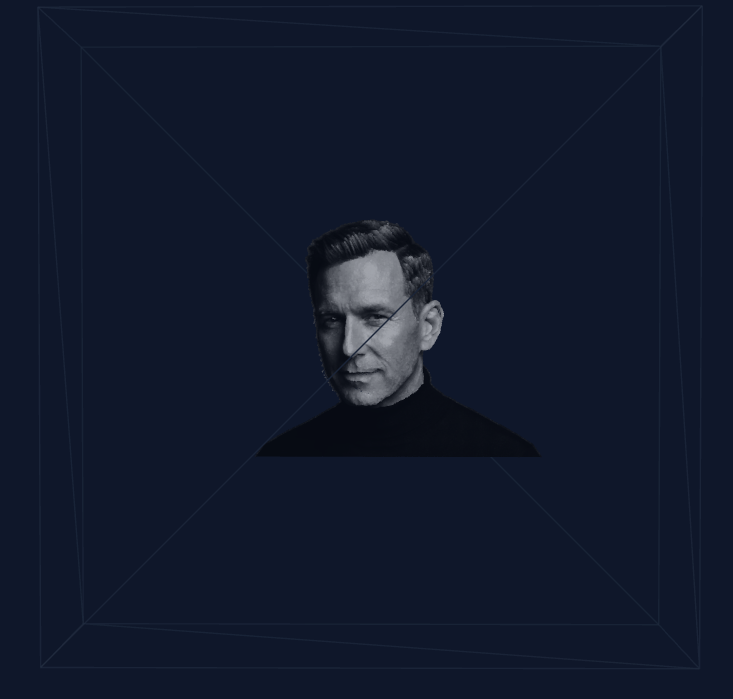
The process begins with a source image, like the clean portrait of a man (seen in image 0). Software translates this 2D information into a detailed three-dimensional plan, essentially mapping the image onto an array of coordinates that will define the object in three dimensions. The abstract visualization in image 1 provides a glimpse into this mapping stage, projecting the planned structure into a conceptual volume with precise grid lines.
The Final Model: A Cloud of Points
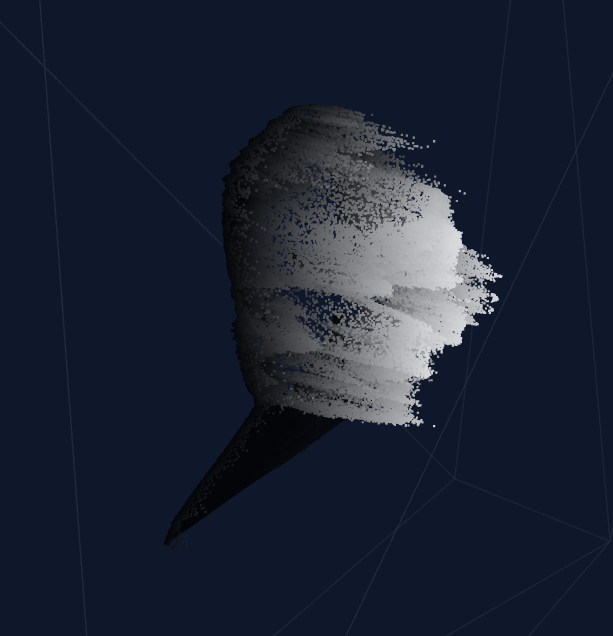
This mapping culminates in the creation of a complete sub-surface point cloud model. Look at image 2, which displays the resulting 3D volume of the man’s portrait. It is not carved with solid lines, but is entirely composed of countless tiny white dots. This is the point cloud itself – a precise array of thousands of individual points that, together, define the intricate, detailed 3D form. Each dot is a discrete element that scatters light, making the entire structure visible.
How the Laser Acts Inside K9 Crystal
The magic happens with the interaction of a pulsed, often ultraviolet (UV), laser inside a high-quality, clear K9 crystal block. Here’s what the laser is doing:
-
Focus, Not Surface: Unlike traditional engraving which happens on the surface, a sub-surface laser is focused on precise three-dimensional coordinates within the volume of the crystal.
-
Micro-Fracture at Focus Point: At the exact point where the laser beam focuses, the power density reaches immense levels. This causes a microscopic dielectric breakdown, resulting in a localized micro-fracture, a tiny vapor bubble, or a micro-change in the crystal’s refractive index. Each single point is a controlled microscopic interaction.
-
Rapid Pulsing and Moving: The laser does not “carve” a continuous path. Instead, it pulses very quickly while a computer-controlled system moves the laser focus in three axes (X, Y, and Z) throughout the crystal block. By pulsing and moving, thousands of these individual micro-points are created, perfectly positioned according to the point cloud blueprint.
The aggregate of these vast arrays of precise micro-dots is what creates the complete, complex 3D image, as seen in the detailed point cloud of the man (image 2). The crystal itself remains clear, as the laser interactions are tiny and controlled, leaving the internal structure otherwise untouched. The dots scatter ambient light, making the intricate internal structure appear as a cohesive 3D form.